Planning group transportation in the Bay Area involves more than simply reserving a charter bus. A successful trip depends on choosing the right vehicle size, creating an efficient pickup schedule, allowing extra travel time for traffic, coordinating luggage and accessibility needs, and booking early during peak travel seasons. Whether you’re organizing a corporate event, wedding, airport transfer, school trip, or private celebration, careful planning helps your group arrive together, on time, and with less stress.
If you’re comparing transportation options for an upcoming event, our Bay Area Charter Bus Rental service page provides additional information about vehicle options, group sizes, and popular transportation services throughout Northern California.
Planning transportation for a corporate event, wedding, airport transfer, or school trip?
This guide explains how to choose the right charter bus, estimate passenger capacity, plan pickup locations, avoid common booking mistakes, and organize efficient group travel throughout the Bay Area.
Why Planning Group Transportation Matters
Whether you’re coordinating transportation for 15 colleagues attending a conference, 50 wedding guests, or an entire school class visiting a museum, having everyone travel together makes the day more organized and enjoyable. Instead of coordinating multiple vehicles, managing different arrival times, and searching for parking, a single transportation plan keeps the group on schedule from start to finish.
Planning is especially important in the Bay Area, where traffic conditions can change quickly throughout the day. Travel times between cities such as San Francisco, Oakland, San Jose, Fremont, Walnut Creek, Pleasanton, and Livermore often vary depending on the time of day, major events, bridge traffic, and construction projects.
A well-planned transportation schedule can help:
- Keep everyone on the same timeline
- Reduce parking challenges at busy venues
- Simplify communication with guests
- Minimize delays caused by traffic
- Create a more comfortable travel experience
- Allow organizers to focus on the event instead of transportation logistics
Whether your destination is a convention center, airport, corporate office, wedding venue, sports stadium, or winery, transportation planning should begin well before the day of the event.
When Does Group Transportation Make the Most Sense?
Many people associate charter buses with long-distance tours, but they’re equally valuable for local transportation throughout the Bay Area. Coordinated transportation helps groups stay together, improves punctuality, and reduces the stress of navigating unfamiliar roads or finding parking.
Corporate Meetings & Conferences
Businesses frequently arrange charter buses or shuttle transportation for employee meetings, conferences, training sessions, trade shows, and company celebrations. Transporting employees together allows everyone to arrive on time while eliminating the need for multiple personal vehicles.
Common corporate transportation needs include:
- Employee conferences
- Team-building events
- Client meetings
- Trade shows
- Company retreats
- Hotel shuttle services
Planning transportation in Silicon Valley? Our San Jose Charter Bus Rental guide covers common group travel needs, event logistics, and helpful planning considerations for the area.
Wedding Transportation
Transportation is one of the easiest ways to improve the guest experience on your wedding day. Guests don’t have to worry about directions, parking, or driving between multiple venues, allowing them to focus on celebrating with family and friends.
Many couples arrange transportation between:
- Hotels
- Ceremony venues
- Reception venues
- Photo locations
- After-party destinations
This is especially helpful when guests are visiting from outside the Bay Area or when parking is limited at the venue.
Airport Group Transportation
Families, corporate teams, cruise passengers, and tour groups often choose group transportation for airport travel instead of coordinating multiple rideshare vehicles.
Planning airport transportation together can simplify:
- Luggage handling
- Flight arrival coordination
- Hotel transfers
- Return transportation
- Large family vacations
- Business travel
School & University Trips
Schools and universities regularly use charter buses for educational travel, athletic competitions, campus visits, music performances, and academic events. Organized transportation helps teachers and group leaders manage schedules while keeping students together throughout the trip.
Sports Teams & Fan Groups
Whether attending a professional sporting event or traveling for youth tournaments, group transportation keeps players, coaches, parents, and supporters together while avoiding the parking challenges often found near major venues.
Private Celebrations
Charter buses are also popular for:
- Family reunions
- Birthday celebrations
- Religious events
- Community gatherings
- Holiday parties
- Cultural festivals
Traveling together often becomes part of the experience and allows everyone to enjoy the event without worrying about transportation.
Groups planning winery visits or special events in the Tri-Valley region may also find our Livermore Charter Bus Rental Service guide helpful when organizing transportation.
Choosing the Right Vehicle for Your Group
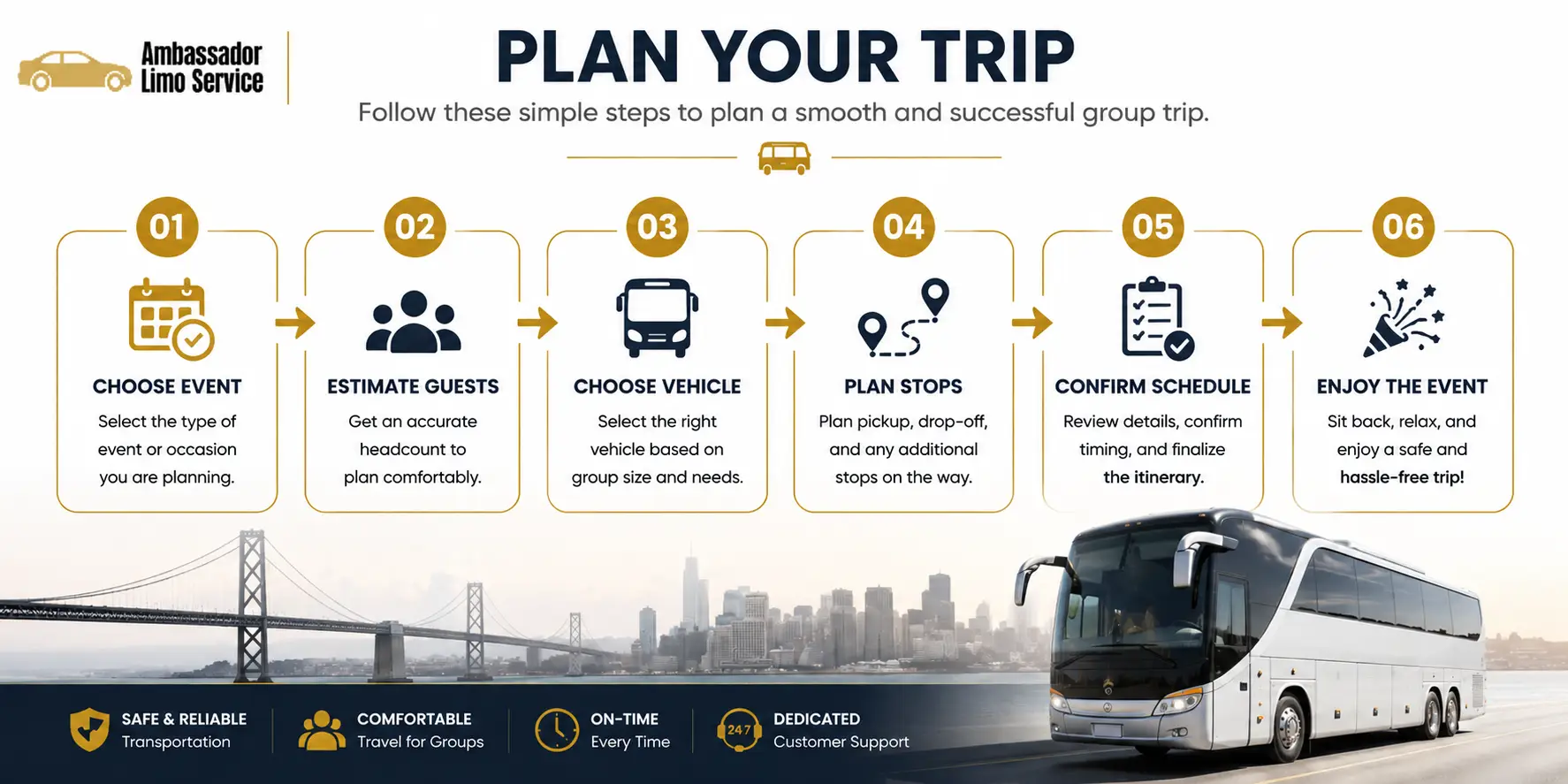
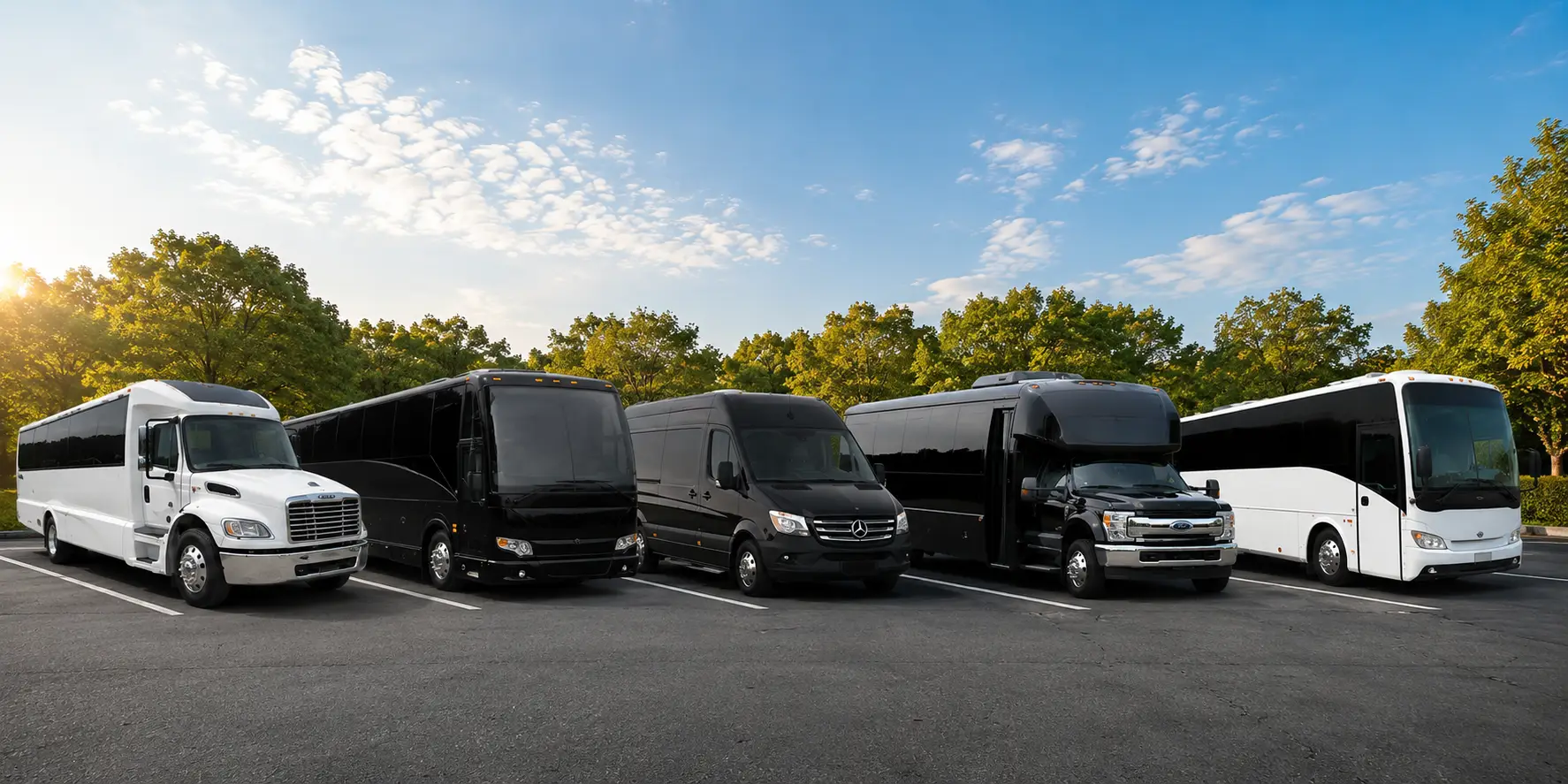
Selecting the right vehicle is one of the most important decisions when planning group transportation. Passenger count is important, but it’s only one factor to consider. Your itinerary, travel distance, luggage requirements, accessibility needs, and number of stops should also influence your decision.
Booking a vehicle that’s too small can leave passengers uncomfortable, while selecting a much larger vehicle than necessary may increase costs without adding value.
Recommended Vehicle Sizes
| Group Size | Recommended Vehicle | Ideal For |
| 10–18 Passengers | Mini Bus | Airport transfers, executive travel, hotel shuttles |
| 20–30 Passengers | Shuttle Bus | Corporate events, weddings, local transportation |
| 30–40 Passengers | Mid-Size Charter Bus | School trips, sports teams, church groups |
| 40–56 Passengers | Full-Size Charter Bus | Conferences, large weddings, long-distance travel |
| 60+ Passengers | Multiple Charter Buses | Large corporate events, conventions, festivals |
Consider More Than Passenger Count
Luggage Space
If your group is traveling to or from the airport, remember that luggage requires additional storage. A group of 30 passengers with full-size suitcases may need a different vehicle than 30 guests attending a local event.
Accessibility
If anyone in your group requires wheelchair accessibility or additional mobility assistance, discuss these requirements when booking so the appropriate vehicle can be arranged.
Trip Length
For longer journeys, comfortable seating and additional onboard amenities become more important than they might be for short local trips.
Multiple Stops
Events involving hotels, airports, offices, restaurants, or multiple venues require a realistic schedule that allows enough travel time between each stop.
Future Guest Changes
Guest lists often change before an event. Choosing a vehicle with a few additional seats can help accommodate last-minute additions without requiring additional transportation.
Planning your transportation carefully before booking helps prevent delays, reduces unexpected challenges, and creates a better experience for everyone involved. In the next section, we’ll look at how to choose efficient pickup and drop-off locations, build realistic travel schedules, and avoid common routing mistakes that can affect your event.
Planning Pickup & Drop-Off Locations
Choosing the right pickup and drop-off locations can make a significant difference in how smoothly your trip runs. Even the best vehicle and carefully planned itinerary can be affected by poorly selected pickup points, limited parking, or heavy traffic around the venue.
Whenever possible, select pickup locations that are easy for passengers to find and provide enough space for safe boarding. Hotels, office buildings, schools, community centers, and designated loading areas are often better options than busy intersections or narrow residential streets.
For larger groups, consider using one or two central pickup locations instead of multiple neighborhood stops. This reduces travel time and helps everyone arrive at the destination together.
Hotel Pickups
Many corporate events, weddings, and conferences involve guests staying at one or more hotels. If multiple hotels are included in your itinerary, organize the pickup order based on location to avoid unnecessary backtracking.
It’s also helpful to communicate pickup times with guests well in advance and recommend arriving at least 10–15 minutes early.
Office & Corporate Campuses
When arranging transportation for business events, identify a safe loading area near the main entrance or visitor parking lot. Large corporate campuses often have designated pickup zones that allow buses to load passengers without disrupting regular traffic.
Airport Pickups
Airport transportation requires additional planning because passengers may arrive on different flights. When possible, group arrivals within similar time windows to reduce waiting time and improve efficiency.
Be sure to account for baggage claim, customs processing for international flights, and potential flight delays when creating the schedule.
Event Venues
Before the event, confirm where buses can safely drop off and pick up passengers. Some venues have dedicated bus loading areas, while others require advance coordination with event staff or security.
Knowing these details beforehand helps prevent delays when guests arrive or depart.
Creating an Efficient Route
A well-planned route saves time, reduces fuel costs, and creates a more enjoyable experience for passengers. Instead of simply connecting destinations on a map, think about traffic patterns, event schedules, and the amount of time needed for boarding at each stop.
Allow Extra Travel Time
Traffic conditions throughout the Bay Area can change quickly, especially during weekday commute hours and major public events. Allowing additional travel time helps reduce stress if unexpected delays occur.
When planning your itinerary, consider:
- Morning and evening rush hours
- Bridge traffic
- Sporting events
- Concerts
- Festivals
- Road construction
- Weekend tourism
Building a small time buffer into the schedule is often better than creating an itinerary that leaves no room for delays.
Minimize Unnecessary Stops
Every additional stop adds time to the journey. If possible, combine nearby pickup locations or designate a central meeting point for passengers traveling from the same neighborhood.
Fewer stops generally lead to:
- Faster travel
- Simpler coordination
- Lower overall transportation costs
- More predictable arrival times
Share the Schedule Early
Providing guests with a detailed itinerary before the event reduces confusion and helps everyone know exactly where and when transportation will arrive.
Include:
- Pickup address
- Pickup time
- Driver contact information (if available)
- Estimated arrival time
- Return departure time
Clear communication helps passengers stay on schedule and reduces last-minute phone calls.

Airport Transportation Planning
Group airport transportation requires more coordination than a typical local trip. In addition to managing passengers, you’ll also need to consider luggage, flight schedules, airport traffic, and terminal locations.
Planning ahead helps reduce waiting time and keeps the group moving efficiently.
Know Your Flight Schedule
If passengers are arriving on multiple flights, organize arrivals into manageable groups whenever possible. Scheduling separate pickups for flights arriving hours apart can be more efficient than asking early arrivals to wait for extended periods.
Plan for Luggage
Suitcases occupy valuable storage space. Before booking transportation, estimate how much luggage each passenger will bring, especially for longer vacations or business trips.
Groups traveling with sports equipment, musical instruments, or conference materials should also communicate those requirements in advance.
Allow Time for International Arrivals
International passengers often require additional time for immigration, customs inspections, and baggage collection. Including extra time in your itinerary helps avoid unnecessary stress.
Confirm Terminal Information
Airports occasionally change airline terminals or pickup procedures. Confirm terminal information before the travel date and share detailed pickup instructions with passengers.
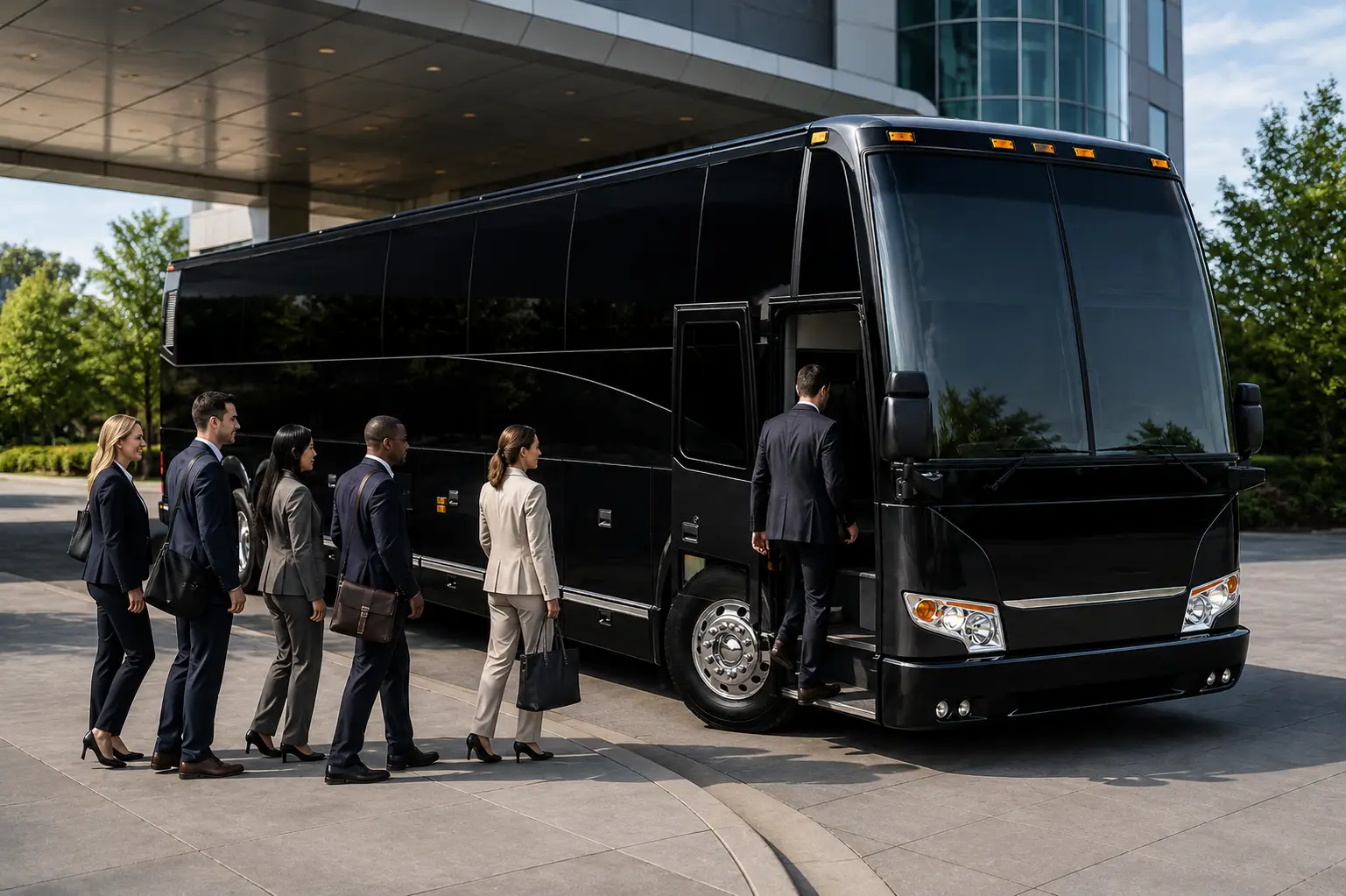
Transportation for Corporate Events
Reliable transportation helps corporate events start on time while creating a professional experience for employees, clients, and guests.
Whether you’re organizing a leadership meeting, annual conference, training seminar, or company celebration, transportation planning should be part of the overall event schedule.
If your event is taking place in San Francisco, our Charter Bus Rental San Francisco guide shares local transportation tips, popular pickup locations, and planning advice for conferences, sporting events, and private group travel.
Common Corporate Transportation Needs
Many businesses arrange transportation for:
- Conferences
- Trade shows
- Employee meetings
- Team-building activities
- Client events
- Holiday parties
- Office relocations
- Executive airport transfers
Coordinate With the Event Schedule
Transportation should complement the event agenda rather than work against it. Build enough time for registration, networking, meals, and scheduled presentations before determining departure times.
If multiple sessions are scheduled throughout the day, communicate return transportation times clearly so attendees know when buses will depart.
Hotel Shuttle Services
When guests stay at different hotels, organizing scheduled shuttle service between hotels and the event venue helps eliminate parking concerns and ensures everyone arrives together.
This is especially useful for conferences and multi-day corporate events.
Assign an Event Coordinator
Designating one person as the transportation contact helps streamline communication. The coordinator can answer passenger questions, provide schedule updates, and work directly with the transportation provider if any adjustments become necessary during the event.

Wedding Guest Transportation
Transportation plays an important role in keeping a wedding day organized, particularly when the ceremony, reception, hotels, and photo locations are spread across different parts of the Bay Area.
Providing transportation allows guests to relax, enjoy the celebration, and arrive on time without worrying about directions or parking.
Typical Wedding Transportation Schedule
Many couples arrange transportation between:
- Guest hotels
- Ceremony venue
- Photo locations
- Reception venue
- After-party
- Hotel return service
This approach helps maintain the event timeline while making the experience more convenient for guests.
Plan for Guest Comfort
Share pickup times, locations, and return schedules with guests before the wedding day. Including transportation details on your wedding website or invitation package helps avoid confusion.
Build Extra Time Into the Schedule
Wedding days rarely run exactly according to plan. Family photos, extended ceremonies, or unexpected delays can affect the transportation schedule.
Including a reasonable time buffer allows guests to enjoy the celebration without feeling rushed.
Consider Evening Return Transportation
If your reception continues late into the evening, offering return transportation to nearby hotels gives guests a convenient way to travel back together after the celebration.
Proper planning before the event makes transportation more predictable for both organizers and passengers. Next, we’ll cover transportation planning for schools, common booking mistakes, recommended booking timelines, a practical planning checklist, and answers to frequently asked questions.
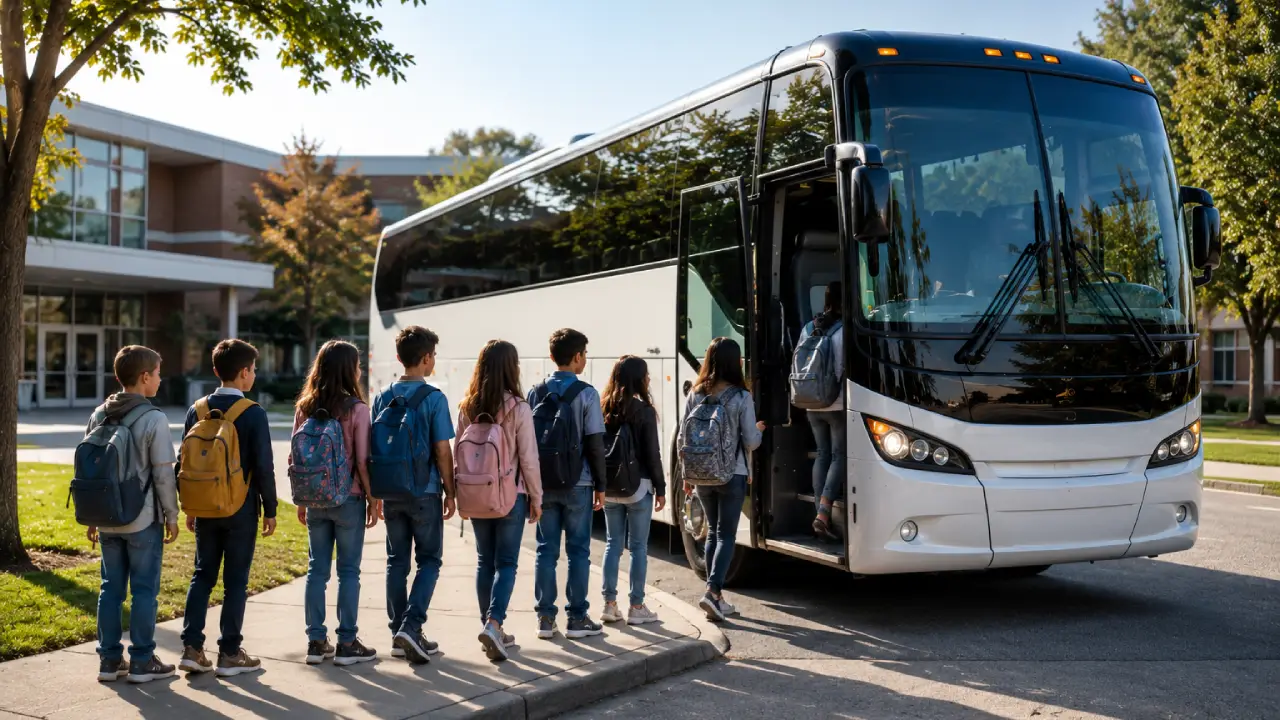
Transportation for School & College Groups
Schools, colleges, universities, and youth organizations frequently rely on group transportation for educational trips, athletic competitions, campus tours, and extracurricular activities. A well-organized transportation plan allows teachers and group leaders to focus on students instead of coordinating multiple vehicles.
Whether you’re planning a local museum visit, an inter-school sports tournament, or a university campus tour, creating a detailed itinerary helps keep everyone on schedule.
Popular School Group Trips
Educational institutions often arrange transportation for:
- Field trips
- College campus visits
- Science museums
- Sporting events
- Academic competitions
- Music and performing arts events
- Graduation ceremonies
- Student orientation programs
Create a Detailed Passenger List
Before the travel date, prepare an updated passenger list that includes students, teachers, volunteers, and chaperones. Having an accurate attendance record makes boarding and return trips much easier to manage.
Share the Itinerary With Parents
Parents appreciate knowing exactly where students are traveling and when they are expected to return. Providing departure times, destination details, and emergency contact information helps everyone stay informed.
Plan Meal and Rest Stops
For longer trips, schedule appropriate breaks for meals and restrooms. A realistic itinerary helps keep the trip comfortable for both students and staff.
Common Mistakes to Avoid When Planning Group Transportation
Even experienced event organizers can overlook important transportation details. Avoiding these common mistakes can help your event run more smoothly.
Waiting Too Long to Book
Popular travel dates, weekends, graduation season, wedding season, and holidays often have higher demand for charter buses. Booking early gives you more vehicle options and greater scheduling flexibility.
Underestimating Passenger Count
Always confirm your guest list before booking transportation. If you’re unsure of the final number, consider reserving a vehicle with additional seating to accommodate last-minute changes.
Forgetting About Luggage
Airport transfers, sports teams, and extended trips usually require extra storage space. Consider both passenger seating and luggage capacity when selecting a vehicle.
Scheduling Too Many Stops
While multiple pickup locations may seem convenient, every additional stop increases travel time and the chance of delays. Consolidating nearby pickups often creates a more efficient schedule.
Ignoring Bay Area Traffic
Traffic conditions can change quickly throughout the day. Allow extra travel time, especially during weekday commute hours or when major events are taking place.
Poor Communication With Passengers
Guests should receive clear transportation details before the event, including:
- Pickup location
- Pickup time
- Return schedule
- Contact information
- Any special instructions
Clear communication helps reduce confusion and keeps everyone on schedule.
How Far in Advance Should You Book?
The ideal booking timeline depends on the type of event, travel dates, and group size. Reserving transportation early generally provides better vehicle availability and more flexibility.
| Event Type | Recommended Booking Time |
| Weddings | 4–8 months in advance |
| Corporate Conferences | 2–4 months in advance |
| School Field Trips | 1–3 months in advance |
| Airport Group Transfers | 2–4 weeks in advance |
| Sporting Events | 1–3 months in advance |
| Holiday Events | 3–6 months in advance |
| Family Reunions & Private Events | 1–2 months in advance |
If your event falls during spring, summer, graduation season, or major holiday weekends, booking as early as possible is recommended.
If your trip extends beyond the Bay Area, our Sacramento Charter Bus Rental Guide offers additional planning tips for corporate events, school trips, and private group transportation.
Group Transportation Planning Checklist
Before confirming your reservation, review the following checklist to help your event run smoothly.
✅ Confirm the final passenger count.
✅ Choose the right vehicle based on seating and luggage requirements.
✅ Select convenient pickup and drop-off locations.
✅ Create a detailed itinerary with realistic travel times.
✅ Allow additional time for Bay Area traffic.
✅ Share transportation details with all passengers.
✅ Confirm venue loading and parking requirements.
✅ Verify airport terminals and flight information if applicable.
✅ Review accessibility requirements.
✅ Keep emergency contact information available.
Frequently Asked Questions
How many passengers can a charter bus accommodate?
Vehicle capacities vary depending on the type of bus. Smaller shuttle buses may accommodate around 20 passengers, while full-size charter buses can transport up to 56 passengers comfortably.
Can our group have multiple pickup and drop-off locations?
Yes. Many group trips include multiple hotels, offices, airports, or event venues. Planning these stops in advance helps create an efficient route and minimizes unnecessary travel time.
How early should passengers arrive for pickup?
Passengers should plan to arrive approximately 10–15 minutes before the scheduled departure time. This helps keep the itinerary on schedule and allows for efficient boarding.
Is airport transportation available for large groups?
Yes. Charter buses and shuttle buses are commonly used for airport transfers involving business travelers, tour groups, wedding guests, sports teams, and family vacations.
Can transportation be arranged for corporate events?
Absolutely. Businesses frequently use charter buses for conferences, employee shuttles, training sessions, trade shows, company retreats, and client events throughout the Bay Area.
Are charter buses suitable for school trips?
Yes. Schools, colleges, universities, youth organizations, and athletic teams regularly use charter buses for educational travel, competitions, campus visits, and extracurricular activities.
What information should I prepare before requesting transportation?
Having the following information ready helps simplify the planning process:
- Event date
- Estimated passenger count
- Pickup and drop-off locations
- Desired departure and return times
- Number of stops
- Luggage requirements
- Accessibility needs
Can transportation schedules be adjusted if our event runs late?
Minor schedule adjustments may be possible depending on the itinerary and vehicle availability. If your event timeline changes, communicate with your transportation provider as early as possible to discuss available options.
Final Thoughts
Successful group transportation begins with careful planning. Understanding your group’s size, selecting the right vehicle, organizing efficient pickup locations, and building a realistic itinerary all contribute to a smoother travel experience.
Whether you’re coordinating transportation for a corporate conference, wedding, school field trip, airport transfer, sporting event, or private celebration, planning ahead helps reduce stress for organizers and creates a more enjoyable experience for every passenger.
If you’re organizing an upcoming event in the Bay Area, taking the time to plan transportation early can help keep your schedule on track and ensure your group arrives together, comfortably, and ready to enjoy the occasion.
Planning Transportation for Your Next Event?
Whether you’re organizing a corporate conference, airport transfer, wedding, school trip, or private celebration, planning ahead helps ensure a smoother travel experience.
Explore our fleet options or request a personalized quote based on your group size and itinerary.